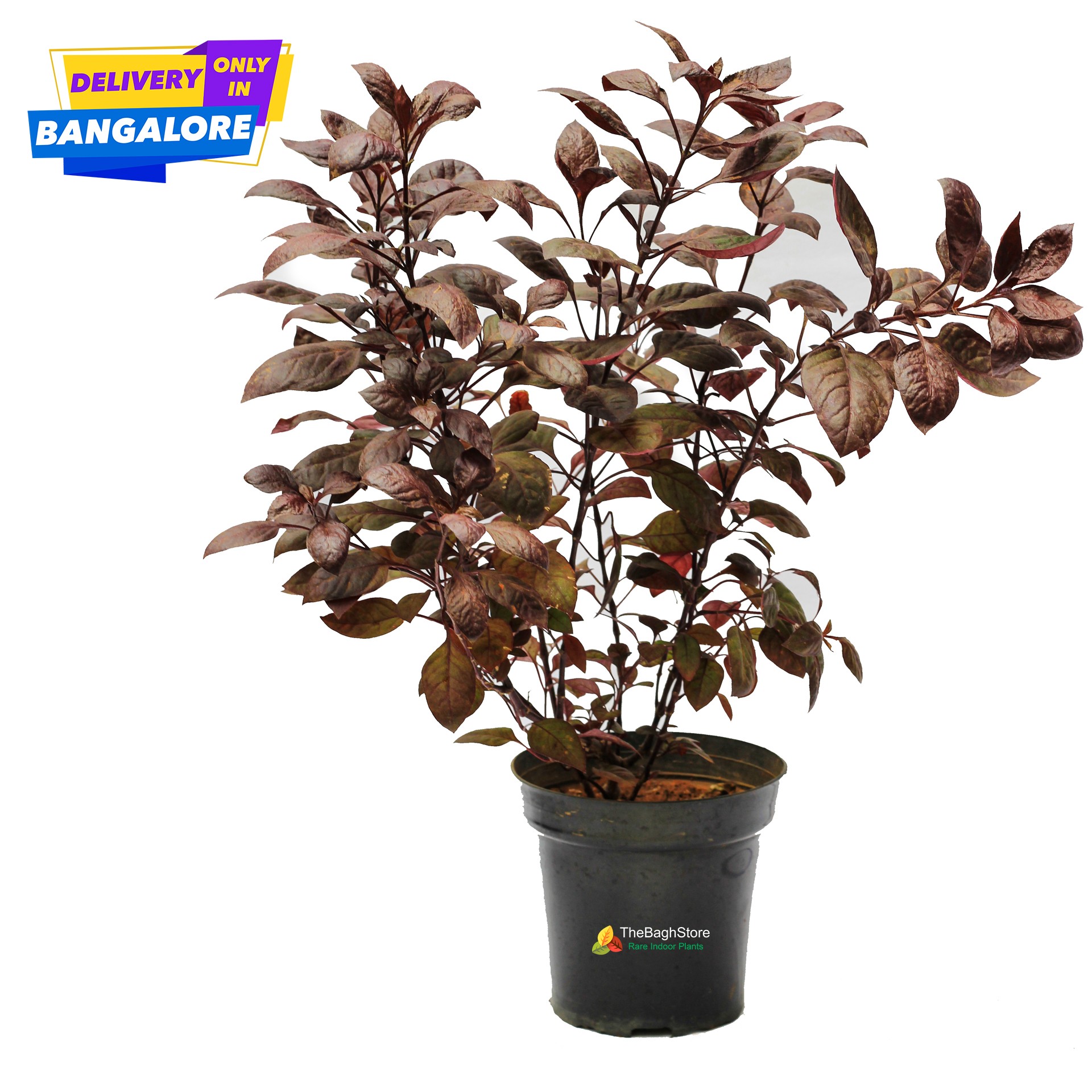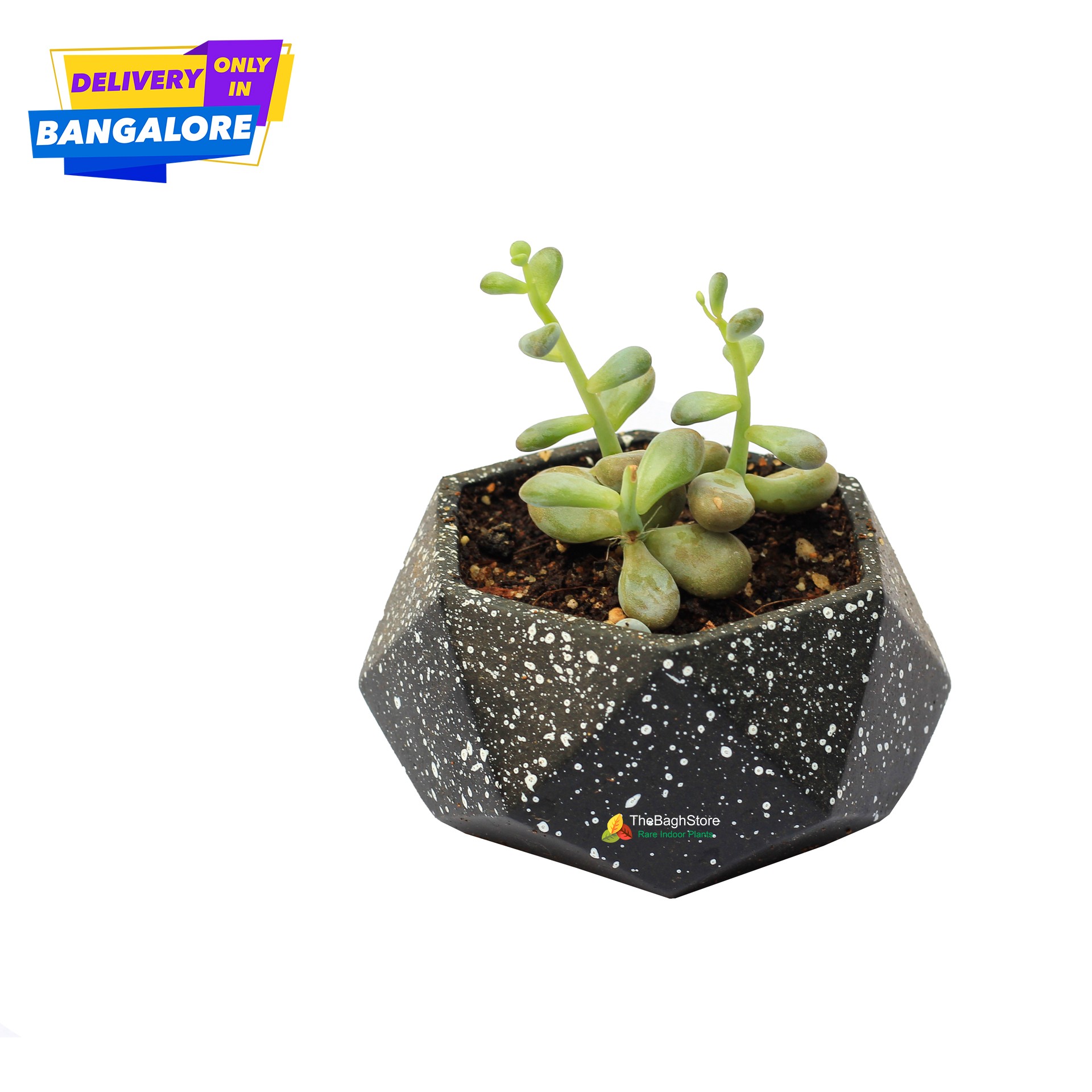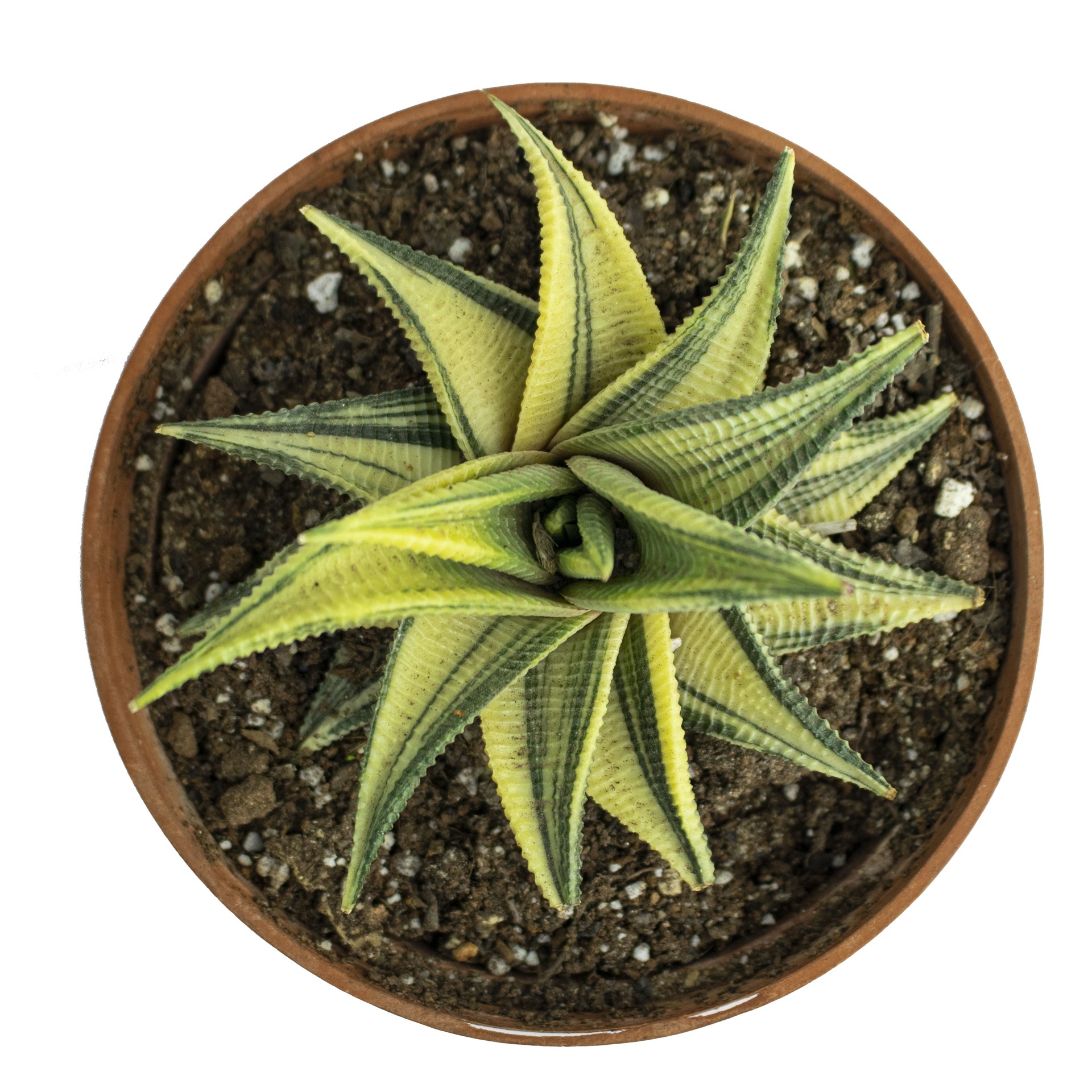
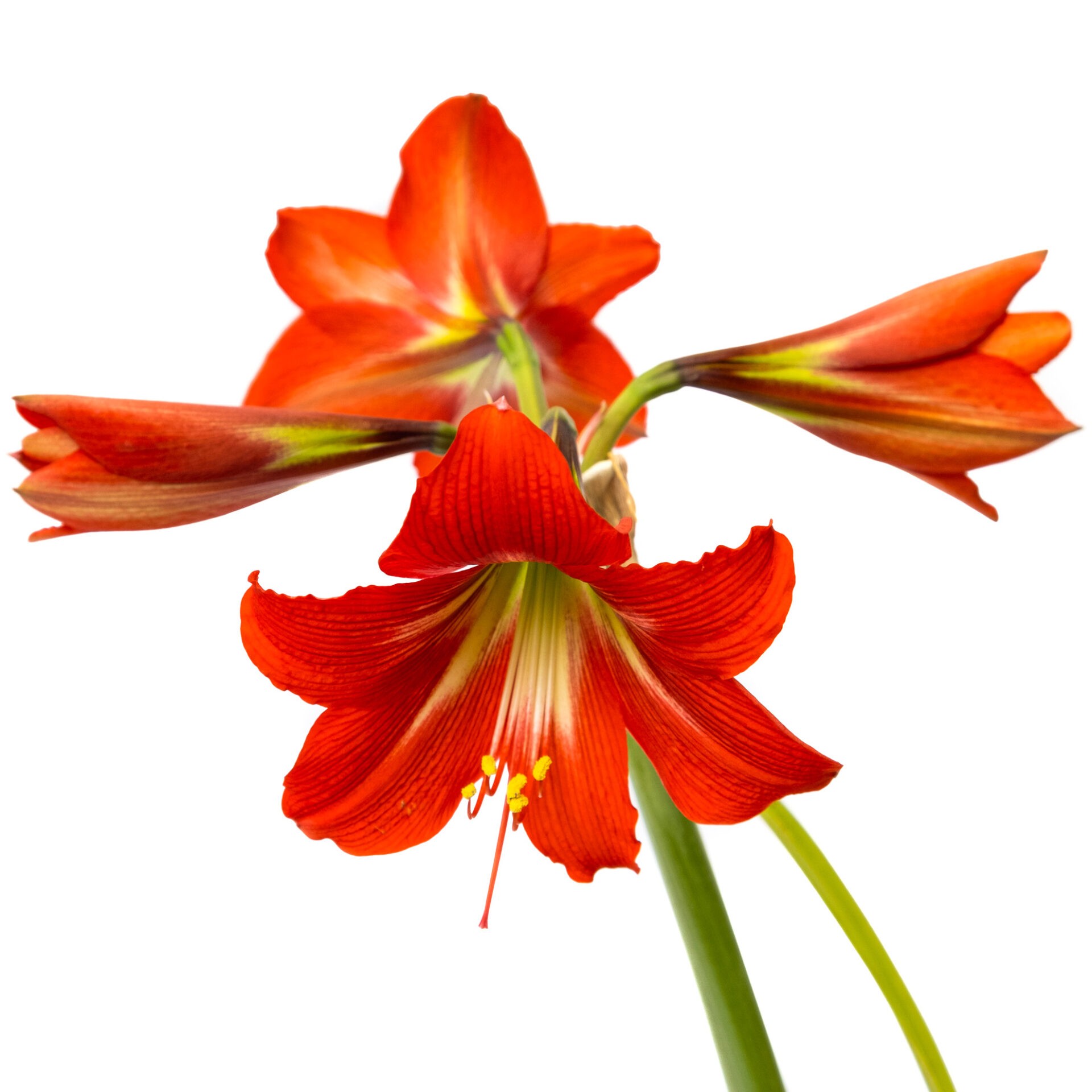
Amaryllis plant, Lily Bulbs

$ 3.76

Category:

Ask a Question

    Amaryllis plant, Lily BulbsA beautiful flowering bulb, your Amaryllis Plants are the easiest to grow and bloom either outdoors or indoors. Your plants are native of South America's tropical regions and are also known by their botanical name Hippeastrum. Growing your Amaryllis indoors may take some effort from your side, but they will also reward you with their big and beautiful bell-shaped flowers to lighten up your mood.General Amaryllis are extremely famous for their brilliantly-colored flowers, and that too in various shades of red, pink, white, orange, or salmon. Some of their varieties consist of striped and multicolored flowers as well. The bulb of your Amaryllis blooms around November, and in early winters. A stalk of your plant will typically produce around two to four flowers.SunlightYour Amaryllis Plant requires at least 4 hours of direct sun every day once its shoots begin to form. But make sure that it does not receive more than 6 hours of direct sunlight or its leaves may get burned. In the absence of ample sunlight, flowering may be limited as these bulbs prefer bright sunlight . The temperature must not go below 10 ℉ as your Plant is intolerant to an extremely cold climate. Consider placing them indoors during the winter season.WateringYou must water your Amaryllis daily. Prefer using room-temperature water while watering your plants during winters.Your Amaryllis will require atleast 1 cup (7 ounces) of water daily for growth. If single containers have 3 bulbs, you must water atleast 1.5 cups (9 to 12 ounces) of water. Containers with more than 3 bulbs will require 2 cups (13 to 15 ounces) of water daily.The period between June and September is the dormant period of your plants and you must water them only when the top soil is completely dry to prevent roots from rotting.SoilYour Anacampseros Rufescens Plant requires soil with a good drainage system to grow to the fullest.You can consider using Cactus potting mix, or any mix by adding coarse sand, soil, and peat moss for your plant.FertilizerYour Amaryllis is not a heavy feeder, so you can add any slow-release or liquid fertilizer with an N-P-K equal ratio (10-10-10).Consider adding slow-release fertilizer every 3-4 months. If you are using a liquid fertilizer, feed your plant every 3-4 times every month.ToxicityThe bulbs and leaves of your plant are considered toxic to both humans and pets if ingested.Additional CareCitrus psyllids: They are mottled brown insects that cause damage to the leaves of your plant by feeding on them- Spray your plant with an insecticidePowdery Mildew: They destroy the heavy foliage of your plants- Remove the affected areas and put your plant in a brighter area by keeping the leaves dry.TroubleshootingIf your Amaryllis plant is not flowering, cut the tattered flowers from the plant once they flower and cut it back to the top of your plant's bulb.If you notice any yellow leaves on your Amaryllis, it implies that it is not getting proper water and fertilizers. Start watering your Amaryllis frequently and add some liquid fertilizers as well.
Privacy Overview

This website uses cookies so that we can provide you with the best user experience possible. Cookie information is stored in your browser and performs functions such as recognising you when you return to our website and helping our team to understand which sections of the website you find most interesting and useful.

Strictly Necessary Cookies

Strictly Necessary Cookie should be enabled at all times so that we can save your preferences for cookie settings.

3rd Party Cookies

This website uses Google Analytics to collect anonymous information such as the number of visitors to the site, and the most popular pages.

Keeping this cookie enabled helps us to improve our website.