Aloe Haworthioides, Succulent – Plant

$ 4.24

Category:

Ask a Question

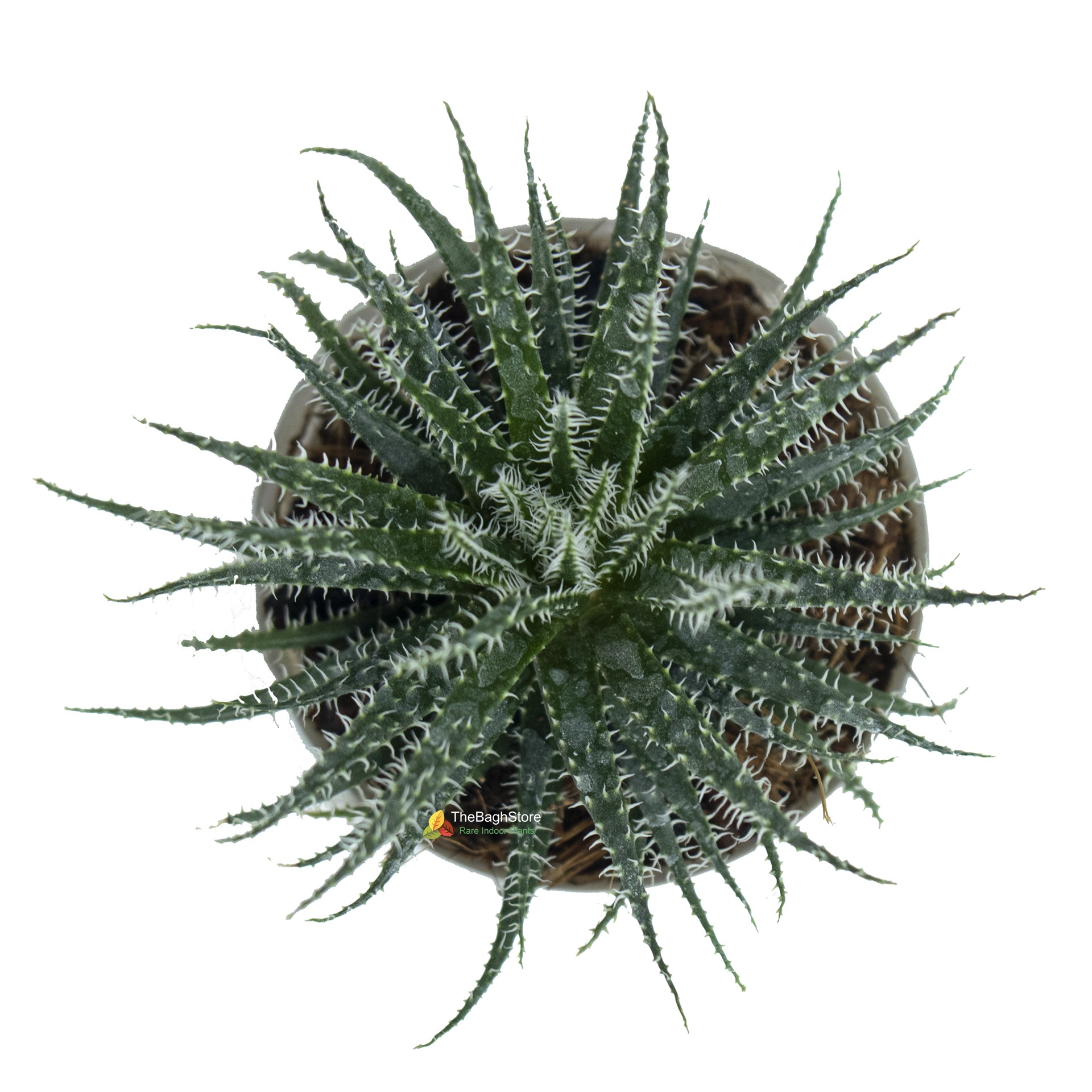
    Aloe Haworthioides, Succulent – PlantAloe haworthioides is a flowering plant that belongs to the Asphodelaceae family. It's a Madagascar native. The soft spines on the leaves give this Aloe its name, and it resembles the Haworthia species. It's a tiny species with orange, highly fragrant flowers that grow in stemless, clumping offsets.GeneralAloe haworthioides is a stemless succulent plant with dense rosettes of fleshy, lance-shaped leaves that grows quickly.It can reach a height of 4 inches (10 cm).Soft, dazzling white, hairy spines cover each dark green leaf.The terminal racemes of tubular, orange flowers can grow up to 12 inches (30 cm) long on the rosettes.Zebra cactus, pearl plant, star window plant, and cushion aloe are just some of the wonderful names for aloe.You can place Aloe Haworthioides in your balcony garden.SunlightAloe haworthioides requires a bright, direct-sun position.If you're going to plant your Succulent Plant in a garden, make sure it gets enough sunlight. It thrives in full to partial sun. It is best to grow plants outside rather than indoors.WateringWater your Haworthioides Cooperi once every 7-10 days. Avoid being exposed to rain.When watering, keep in mind that your succulent plants' leaves are particularly susceptible to rot. Wait till the soil is absolutely dry before watering. Water can be fully avoided in the winter.SoilTo avoid root rot, make sure your mix drains well and is aerated. Aloe Plant roots require oxygen to survive, yet they are unable to do so if they are kept too damp.FertilizerIn summers, if necessary, feed your succulent plant a houseplant fertiliser diluted to half strength. Once or twice a month.A fertiliser isn't truly necessary for your plant as plants go dormant in winters.ToxicityIf eaten, your Aloe Haworthioides is toxic to cats and dogs. Dilated pupils in cats are common, and both cats and dogs can exhibit symptoms including vomiting, excessive saliva, and a lack of appetite.Additional CareWhen side-shoots are large enough to handle, carefully cut them away from the parent plant.These exotic plants are slow-growing plants that only require repotting on rare occasions. Plants that are tipping over their succulent pots or have stopped growing should be repotted in the spring.TroubleshootingDo you have a dying plant? This may be due to Haworthioides inability to withstand cold temperatures. It will thrive if you place it near sunshine.Your Aloe Haworthioides plant suffering from root rotting. It is because it's suffering from overwatering. Your plant needs repotting.
Privacy Overview

This website uses cookies so that we can provide you with the best user experience possible. Cookie information is stored in your browser and performs functions such as recognising you when you return to our website and helping our team to understand which sections of the website you find most interesting and useful.

Strictly Necessary Cookies

Strictly Necessary Cookie should be enabled at all times so that we can save your preferences for cookie settings.

3rd Party Cookies

This website uses Google Analytics to collect anonymous information such as the number of visitors to the site, and the most popular pages.

Keeping this cookie enabled helps us to improve our website.