Aglaonema Chinese Evergreen Plant

$ 4.70

Category:

Ask a Question

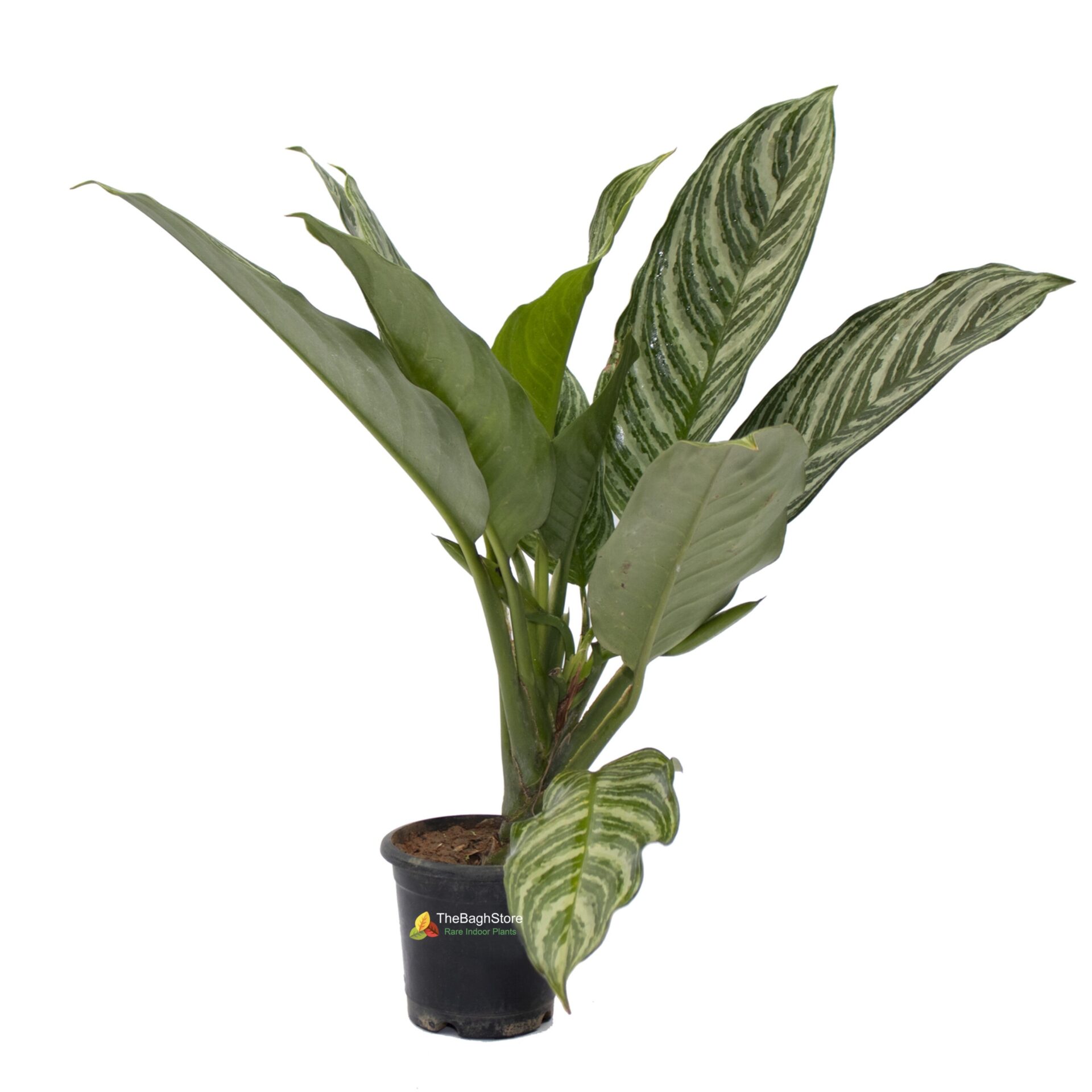
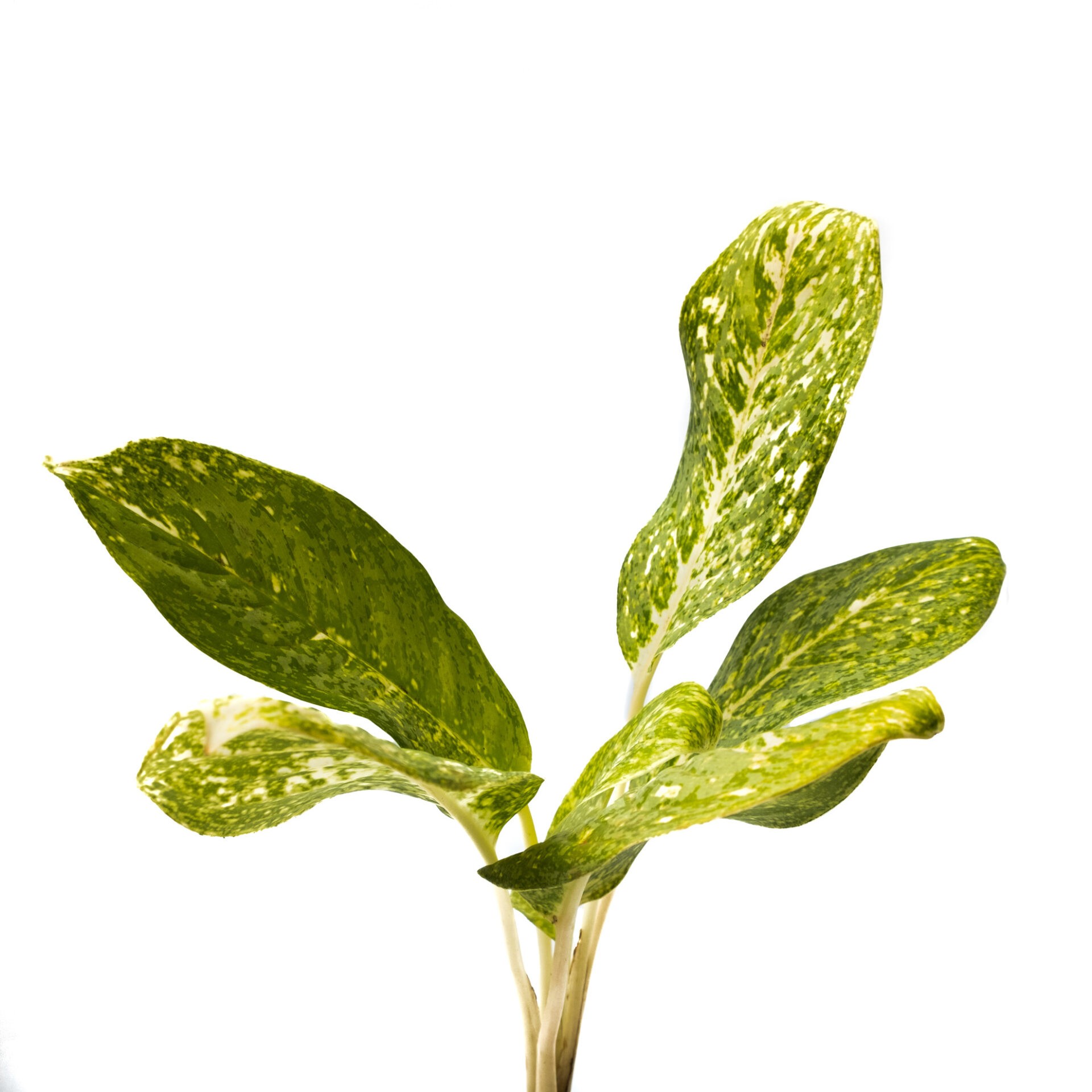
    Aglaonema Chinese Evergreen PlantPopularly known as Chinese evergreen, Aglaonema is an extremely popular Indoor house plant due to its ease of growing. It has about 21 species that are mainly found in the Philippines and Malaysia. They are mostly grown for their lush and unique foliage shape that is extremely easy to handle. Your plant can adapt to almost any lighting condition in your home or office space that makes it a stunner.GeneralYour plant is native to the tropical forest floors of Asia, and thus, they will appreciate a spot with indirect light. However, some varieties of your Aglaonema can also tolerate lower light levels. Your Chinese Evergreen plant has a slow-growth rate and can grow up to a height of 1-2 Ft on attaining maturity.SunlightDarker green varieties of Chinese evergreens can grow in near-shade, while the variegated varieties require a bit more bright light. Take care not to expose any of the plants (no matter the variety) to direct sunlight, as the harsh rays can easily burn the delicate leaves. Dark green varieties of your Aglaonema can cope well with near-shade. Meanwhile, the variegated varieties of your plant will require bright indirect sunlight. Take care that you do not expose your Aglaonema to direct sunlight (any variety) or the leaves may get burned. However, in the absence of proper lighting, the leaf and stems of your plant will leggy and long.Watering Your plant should be watered daily such that the top layer of soil should be moist to touch. But it is completely intolerant to water-logged soil. To maintain this, you must water your plant thoroughly by drawing out the excess water on topsoil. But do not let your plant dry out completely. In the autumn and winter season, reduce the watering to twice a week, but remember that the soil should never get overdry.SoilYour Ajwon plant will grow in any soil, but Alkaline soil is considered to be the best for better growth. The soil should be well-aerated with a good drainage system. You can make a potting mix by mixing compost, coarse sand, and sand in equal parts for your Ajwain Plant.FertilizerYou should feed your Aglaonema with a slow-release liquid fertilizer or with liquid mineral fertilizer once a month.Do not feed your plant in winter or it may damage the roots of the plant.ToxicityAglaonema contains crystals of calcium oxalate that are toxic if the sap is touched or if ingested to humans and pets.Additional CareAphids: They are small pests that suck nutrients from the plants causing excessive damage to them and eventually killing them- Spray your plant with neem oil to get rid of them.Spider Mites: They destroy the leaves of the plants and turn them yellow to eventually kill your plants- Rub or spray any alcohol solution to the infected leaves to remove them.TroubleshootingIf the leaves of your plant are dropping, it can be an indication of excessive watering. Regulate the watering to your plant and only water them when the topsoil is slightly dry to touch.Stalks of your Aglaonema turn yellow and brown due to excessive moisture being held in the soil that causes roots rot. In this situation, hold off watering your plant for few days and clip away any rotting stalks. Water your plant again only when the topsoil is completely dry.
Privacy Overview

This website uses cookies so that we can provide you with the best user experience possible. Cookie information is stored in your browser and performs functions such as recognising you when you return to our website and helping our team to understand which sections of the website you find most interesting and useful.

Strictly Necessary Cookies

Strictly Necessary Cookie should be enabled at all times so that we can save your preferences for cookie settings.

3rd Party Cookies

This website uses Google Analytics to collect anonymous information such as the number of visitors to the site, and the most popular pages.

Keeping this cookie enabled helps us to improve our website.